Odtutor

Tutor Growth

AI-Powered Tutoring Platforms Personalized Learning for Every Student

AI-Powered Tutoring Platforms: Personalized Learning for Every Student

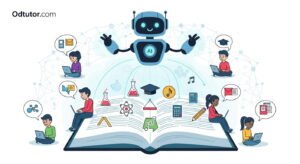
In today’s fast-evolving educational landscape, the integration of artificial intelligence into learning has transformed how students access knowledge and build skills. I have witnessed firsthand how traditional teaching methods, while valuable, often struggle to cater to the diverse learning needs of every student. This is where AI-powered tutoring platforms step in as a revolutionary force, offering personalized, adaptive, and efficient learning experiences. These platforms leverage data-driven insights to understand each student’s strengths, weaknesses, and pace of learning, thereby creating customized pathways that were once unimaginable in conventional classrooms. AI tutoring systems are not just tools—they are intelligent companions that guide students through their academic journey, providing instant feedback, tailored resources, and continuous support. Whether a student is struggling with complex concepts or aiming to excel beyond the curriculum, these platforms ensure that learning becomes more accessible, engaging, and effective. As education continues to embrace digital transformation, AI-powered tutoring stands at the forefront, reshaping how knowledge is delivered and consumed across the globe. The Rise of AI in Education Artificial intelligence has rapidly emerged as a transformative force in education, reshaping traditional teaching and learning methods. Over the past decade, technological advancements have enabled the development of intelligent systems capable of analyzing vast amounts of data and delivering insights that enhance learning outcomes. AI-powered tutoring platforms are a direct result of this evolution, offering solutions that address the limitations of one-size-fits-all education systems. These platforms use machine learning algorithms to track student performance, identify learning gaps, and recommend targeted interventions. Unlike conventional classrooms where teachers must divide attention among many students, AI systems provide individualized focus, ensuring no learner is left behind. This shift has been particularly beneficial in remote and hybrid learning environments, where personalized attention can be challenging to maintain. Furthermore, the rise of AI in education has democratized access to quality learning resources. Students from diverse backgrounds can now access high-quality tutoring regardless of geographical or financial constraints. As AI continues to evolve, its role in education is expected to expand further, paving the way for smarter, more inclusive learning ecosystems that cater to the needs of every individual learner. How AI-Powered Tutoring Platforms Work AI-powered tutoring platforms operate through a combination of advanced technologies such as machine learning, natural language processing, and data analytics. These systems continuously collect and analyze data from student interactions, including quiz responses, time spent on tasks, and patterns of errors. This data is then used to build a dynamic learner profile that evolves over time. Based on this profile, the platform adapts the content, difficulty level, and teaching style to suit the individual student. For instance, if a student struggles with a particular concept, the system may provide additional explanations, practice exercises, or alternative learning materials to reinforce understanding. Conversely, if a student demonstrates proficiency, the platform can introduce more advanced topics to keep them challenged and engaged. Another key feature of these platforms is real-time feedback. Students receive instant corrections and explanations, allowing them to learn from mistakes immediately. This continuous feedback loop accelerates learning and helps students develop a deeper understanding of concepts. By combining data-driven insights with adaptive learning techniques, AI tutoring platforms create a highly personalized and efficient educational experience. Benefits of Personalized Learning Personalized learning is one of the most significant advantages offered by AI-powered tutoring platforms. Unlike traditional education systems that follow a fixed curriculum, personalized learning adapts to the unique needs, abilities, and goals of each student. This approach ensures that learners can progress at their own pace, without feeling pressured or left behind. One of the primary benefits of personalized learning is improved engagement. When students receive content that matches their level of understanding and interests, they are more likely to stay motivated and actively participate in the learning process. This leads to better retention of information and a deeper comprehension of subjects. Additionally, personalized learning helps build confidence among students. By addressing individual challenges and providing targeted support, AI platforms enable learners to overcome difficulties more effectively. This sense of achievement fosters a positive attitude toward learning and encourages continuous improvement. Moreover, personalized learning promotes autonomy, allowing students to take control of their educational journey. With AI-powered platforms guiding them, learners can explore topics at their own pace, revisit concepts as needed, and develop critical thinking skills that are essential for long-term success. Enhancing Student Engagement Through AI Student engagement is a critical factor in effective learning, and AI-powered tutoring platforms are designed to maximize this engagement through interactive and adaptive experiences. These platforms incorporate elements such as gamification, interactive quizzes, and multimedia content to make learning more enjoyable and immersive. Gamification, in particular, plays a significant role in capturing students’ attention. By introducing rewards, achievements, and progress tracking, AI platforms create a sense of accomplishment that motivates learners to continue their studies. This approach transforms learning from a passive activity into an active and engaging experience. Furthermore, AI systems can adapt to different learning styles, whether visual, auditory, or kinesthetic. By presenting information in multiple formats, these platforms ensure that students can understand concepts in ways that suit them best. This flexibility enhances comprehension and reduces frustration. Real-time interaction is another key aspect of engagement. AI tutors can answer questions instantly, provide explanations, and offer guidance whenever needed. This continuous support keeps students involved and prevents them from feeling isolated, especially in online learning environments. Bridging Learning Gaps Effectively One of the most powerful features of AI-powered tutoring platforms is their ability to identify and address learning gaps. Traditional teaching methods often overlook individual weaknesses due to time constraints and large class sizes. In contrast, AI systems continuously monitor student performance and pinpoint areas that require improvement. When a learning gap is detected, the platform provides targeted interventions to help the student overcome challenges. This may include additional practice exercises, simplified explanations, or alternative teaching approaches. By addressing these gaps promptly, AI platforms prevent students from falling behind and ensure a strong foundation in each subject. Moreover, bridging learning gaps enhances

Top 10 Online Tutoring Trends in 2026 How Students Learn Smarter

Top 10 Online Tutoring Trends in 2026: How Students Learn Smarter

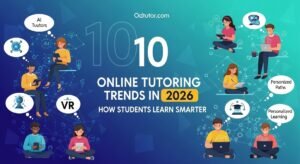
Introduction As an IIT-level Mathematics educator with years of experience mentoring students across competitive exams, I have closely observed how learning methods are evolving at an unprecedented pace. Online tutoring, once considered a supplementary option, has now become the backbone of modern education. Students today are not just consuming content—they are engaging, interacting, and personalizing their learning journeys in ways that were unimaginable a few years ago. In 2026, online education is no longer about recorded lectures and basic video calls. It is about intelligent platforms, adaptive learning systems, real-time feedback, and immersive experiences that cater to each student’s strengths and weaknesses. The shift is clear: students are learning smarter, not harder. Technology is helping them save time, improve accuracy, and build deeper conceptual understanding, especially in subjects like Mathematics and Science where clarity is crucial. In this article, I will walk you through the top 10 online tutoring trends shaping the future of education in 2026. These trends are not just innovations—they are transforming how students prepare for exams like JEE and NEET, making learning more efficient, personalized, and results-driven. Rise of AI-Powered Personalized Learning One of the most significant trends in 2026 is the rise of AI-powered personalized learning systems. Unlike traditional classrooms where one teaching method is applied to all students, artificial intelligence now analyzes individual performance and creates customized learning paths. This means that a student weak in calculus but strong in algebra will receive targeted practice and explanations specifically designed for their needs. These systems track accuracy, speed, and patterns in mistakes. Based on this data, they recommend questions, revise concepts, and even adjust difficulty levels in real time. For competitive exam aspirants, this is a game changer. Instead of wasting time on topics they already understand, students can focus entirely on improving weak areas. From my experience, students using AI-driven platforms show faster improvement because they receive continuous feedback. It’s like having a personal tutor available 24/7 who understands your learning behavior better than anyone else. Hybrid Learning Models Becoming Standard In 2026, the line between online and offline education is almost gone. Hybrid learning models have become the new standard. Students attend physical classes for concept building and interaction, while online platforms are used for revision, practice, and doubt-solving. This combination provides the best of both worlds. Classroom learning ensures discipline and structured teaching, while online tools offer flexibility and accessibility. Students can revisit recorded lectures, attempt quizzes, and analyze performance anytime. For subjects like Mathematics, this model is extremely effective. A student can learn a concept in class and then immediately practice it through online modules. This reinforces understanding and reduces the chances of forgetting. As an educator, I strongly recommend hybrid learning because it maximizes efficiency. It ensures that students are not dependent on a single method but benefit from multiple learning approaches. Microlearning and Bite-Sized Content Attention spans are decreasing, and students prefer learning in short, focused sessions. This has led to the popularity of microlearning—where complex topics are broken into small, easy-to-understand modules. Instead of watching a one-hour lecture, students now prefer 5–10 minute videos focusing on a single concept. For example, rather than studying an entire chapter on differentiation, they can learn one rule at a time. This approach helps in better retention and reduces cognitive overload. Students can quickly revise topics before exams without feeling overwhelmed. Microlearning is especially useful for last-minute preparation. Short videos, quick notes, and rapid quizzes allow students to revise efficiently and improve accuracy under time pressure. Gamification of Education Gamification has transformed online tutoring into an engaging experience. Learning platforms now use points, leaderboards, badges, and rewards to motivate students. This creates a competitive environment where students are encouraged to perform better. For example, solving questions correctly earns points, and consistent performance unlocks achievements. Gamification also reduces stress. Instead of feeling pressured, students enjoy the process of learning. This is particularly beneficial for younger students and those who struggle with traditional teaching methods. From my observation, students who engage with gamified platforms tend to practice more questions, which directly improves their problem-solving skills. Real-Time Doubt Solving and Instant Feedback In traditional setups, students often had to wait hours or even days to get their doubts resolved. In 2026, real-time doubt-solving has become a standard feature. Students can now ask questions instantly through chat, video calls, or AI assistants. Many platforms provide step-by-step solutions within seconds, ensuring that learning is not interrupted. Immediate feedback is equally important. When students solve a question, they receive instant analysis of their performance, including mistakes and alternative methods. This helps in faster learning cycles. Students identify errors quickly and correct them before moving forward, which significantly improves accuracy in exams. Interactive and Immersive Learning Tools Online tutoring is no longer limited to static videos. Interactive tools such as digital whiteboards, simulations, and 3D visualizations are enhancing the learning experience. For Mathematics, interactive graphs and step-by-step animations help students understand concepts deeply. Instead of memorizing formulas, they can visualize how equations behave. Immersive tools also make learning more engaging. Students actively participate rather than passively watching lectures, which improves retention. As a teacher, I find these tools extremely valuable because they bridge the gap between theory and application. Data-Driven Performance Analytics Another major trend is the use of data analytics to track student performance. Platforms now provide detailed reports on accuracy, speed, topic-wise performance, and improvement trends. These insights help students understand where they stand and what needs improvement. For example, if a student consistently makes mistakes in coordinate geometry, they can focus on that area. Parents and teachers also benefit from these reports. They can monitor progress and provide targeted guidance. Data-driven learning ensures that preparation is strategic rather than random, which is crucial for competitive exams. Peer Learning and Community Platforms Learning is becoming more collaborative with the rise of peer learning platforms. Students can interact, discuss problems, and share solutions with others. This creates a sense of community and reduces isolation, especially in online

From Classroom to Online How Teachers Can Start Teaching Students Nationwide

From Classroom to Online: How Teachers Can Start Teaching Students Nationwide

Introduction In today’s rapidly evolving educational landscape, teaching is no longer confined to the four walls of a classroom. The rise of digital platforms has opened up incredible opportunities for educators to reach students across cities, states, and even the entire country. As someone who has spent years teaching mathematics and mentoring students for competitive exams, I have witnessed firsthand how online teaching can transform not only students’ learning experiences but also a teacher’s career trajectory. The flexibility, scalability, and impact of online education make it one of the most powerful tools available today. Transitioning from offline to online teaching may seem overwhelming initially, especially for teachers who are accustomed to traditional methods. However, with the right strategy, tools, and mindset, any teacher can successfully build a strong online presence and start teaching students nationwide. Whether you are a school teacher, coaching institute faculty, or subject expert, this guide will help you understand how to begin your journey in online education, establish credibility, and create a sustainable teaching model that benefits both you and your students. Understanding the Shift from Offline to Online Teaching The transition from classroom teaching to online education is not merely a change in medium; it represents a fundamental shift in how knowledge is delivered and consumed. In traditional classrooms, teachers rely heavily on physical interaction, body language, and immediate feedback. However, in the online environment, communication becomes more structured, and teaching methods need to be adapted to maintain engagement and clarity. Online teaching offers unmatched flexibility, allowing teachers to reach students from diverse geographical locations without the constraints of physical space. This means that a teacher in one city can educate students across multiple states simultaneously. Additionally, recorded sessions, digital resources, and interactive tools enhance the learning experience, making it more dynamic and accessible. However, this shift also requires teachers to develop new skills, such as handling digital tools, managing virtual classrooms, and maintaining student engagement through a screen. Understanding this transformation is the first step toward building a successful online teaching career. By embracing the change and adapting teaching strategies accordingly, educators can unlock new opportunities and significantly expand their reach. Identifying Your Subject Expertise and Niche Before stepping into online teaching, it is essential to clearly define your subject expertise and identify a specific niche. While many teachers are proficient in multiple subjects, focusing on a specialized area allows you to stand out in a competitive online education market. For example, instead of teaching general mathematics, you could focus on board exam preparation, competitive exams like JEE or NEET, or even specific topics such as calculus or algebra. Choosing a niche helps you target a specific group of students and tailor your teaching approach to meet their needs. It also makes it easier to market your courses and build a strong reputation within that domain. Students and parents often look for subject experts who can provide focused guidance rather than general instruction. Additionally, understanding your strengths as a teacher is crucial. Consider your teaching style, the level of students you are most comfortable with, and the type of content you can deliver effectively. By aligning your expertise with market demand, you can create a unique positioning that attracts students from across the country and establishes your credibility as an online educator. Setting Up the Right Technology and Tools A strong technological foundation is essential for successful online teaching. Unlike traditional classrooms, where physical presence is the primary medium of communication, online teaching relies heavily on digital tools and platforms. Therefore, investing in the right equipment and software is crucial. Start with basic requirements such as a reliable laptop or desktop, a high-quality microphone, and a stable internet connection. Clear audio and video quality significantly impact student engagement and comprehension. Additionally, using a digital writing tablet or stylus can enhance your ability to explain concepts, especially for subjects like mathematics and science. Software tools also play a vital role. Platforms like Zoom, Google Meet, or specialized teaching platforms allow you to conduct live classes, share screens, and interact with students in real time. You can also use presentation tools, digital whiteboards, and learning management systems to organize your content and track student progress. By setting up a professional and efficient teaching environment, you not only improve the quality of your classes but also build trust among students and parents, which is essential for long-term success. Creating Engaging and Structured Course Content Content is the backbone of your online teaching journey. Simply transferring classroom notes to an online format is not enough; your content must be structured, engaging, and easy to understand in a digital environment. Students attending online classes often have shorter attention spans, so your lessons should be well-organized and interactive. Begin by dividing your syllabus into manageable modules and lessons. Each session should have clear objectives, key concepts, and a logical flow. Incorporate examples, problem-solving techniques, and real-life applications to make the content relatable and interesting. Visual aids such as diagrams, charts, and presentations can enhance understanding, especially for complex topics. Additionally, incorporating quizzes, assignments, and regular assessments helps reinforce learning and keeps students actively involved. Consistency is equally important. Maintaining a regular schedule and delivering content in a systematic manner builds discipline among students and ensures better learning outcomes. By focusing on quality and structure, you can create a learning experience that is both effective and enjoyable for students across the country. Choosing the Right Platform to Teach Online Selecting the right platform is a critical decision that can significantly impact your online teaching success. There are multiple options available, ranging from independent platforms to established tutoring marketplaces. Each option has its own advantages and limitations. If you prefer complete control over your teaching process, you can use platforms like Zoom or Google Meet combined with your own website or app. This approach allows you to manage pricing, student interactions, and branding independently. However, it requires additional effort in marketing and student acquisition. On the other hand, joining online tutoring

How to Earn Extra Income as an Online Tutor in India – Complete Guide for Teachers

How to Earn Extra Income as an Online Tutor in India – Complete Guide for Teachers

Introduction In today’s fast-evolving education landscape, online tutoring has emerged as one of the most reliable and flexible ways for teachers in India to earn extra income while making a meaningful impact. With increasing demand for personalized learning, digital education platforms, and competitive exam preparation, educators now have more opportunities than ever to monetize their knowledge beyond traditional classrooms. Whether you are a school teacher, coaching faculty, or subject expert, online tutoring offers a scalable and rewarding career path. As an experienced mathematics educator, I have witnessed firsthand how digital platforms have transformed teaching into a global opportunity. You are no longer limited by geography—students from different cities, states, or even countries can learn from you. What makes online tutoring even more appealing is the flexibility to choose your working hours, subjects, and teaching style. In this comprehensive guide, I will walk you through everything you need to know about earning extra income as an online tutor in India. From selecting the right platforms and setting up your profile to pricing your sessions and scaling your teaching business, this guide is designed to help you succeed in the digital education ecosystem with clarity and confidence. Why Online Tutoring is Booming in India Online tutoring in India has experienced exponential growth due to increased internet penetration, affordable smartphones, and the rise of ed-tech platforms. After the pandemic, both students and parents have become comfortable with digital learning environments, leading to a sustained demand for online education. This shift has opened up immense opportunities for teachers to expand their reach beyond physical classrooms. Another major reason for this boom is the competitive academic environment in India. Exams like NEET, JEE, UPSC, and board exams require specialized guidance, which online tutors can provide effectively. Students are now actively seeking one-on-one mentoring rather than relying solely on traditional coaching institutes. Additionally, online tutoring removes geographical limitations. A teacher sitting in a small town can now teach students in metropolitan cities or even abroad. This has significantly increased earning potential, especially for teachers who specialize in high-demand subjects such as Mathematics, Science, and English. With flexible working hours and the ability to teach from home, online tutoring is not just a side income option—it has become a full-fledged career opportunity for many educators in India. Skills Required to Become a Successful Online Tutor To succeed as an online tutor, having subject knowledge alone is not enough. You need a combination of teaching skills, communication abilities, and digital proficiency. The ability to explain concepts clearly and adapt your teaching style based on student needs is crucial for retaining students and building a strong reputation. Communication skills play a vital role in online teaching. Since you are interacting through a screen, your clarity of speech, tone, and engagement techniques become even more important. You must be able to simplify complex topics and keep students motivated throughout the session. Basic technical skills are also essential. You should be comfortable using video conferencing tools, digital whiteboards, screen sharing, and online teaching platforms. Familiarity with tools like Zoom, Google Meet, or interactive teaching software can significantly enhance your teaching effectiveness. Time management and consistency are equally important. Students expect punctuality and structured sessions. Being reliable and maintaining professionalism will help you build trust, leading to long-term student relationships and referrals. Choosing the Right Subject and Niche Selecting the right subject and niche is one of the most critical steps in your online tutoring journey. While you may be comfortable teaching multiple subjects, focusing on a specific niche can help you establish authority and attract targeted students. High-demand subjects such as Mathematics, Physics, Chemistry, Biology, and English are always in demand. However, you can also explore niche areas like coding, spoken English, data analytics, or competitive exam preparation. Specialization often allows you to charge higher fees and stand out from the competition. Understanding your strengths and experience is key. If you have a strong track record in teaching board classes or entrance exams, you should leverage that expertise. Similarly, if you are good at teaching foundational concepts to younger students, that can become your niche. Market demand should also influence your decision. Research what students are actively searching for and align your offering accordingly. A well-defined niche not only helps in better marketing but also ensures that you attract the right audience who values your expertise. Best Platforms to Start Online Tutoring in India There are several platforms in India where teachers can start their online tutoring journey. These platforms provide access to a large student base, making it easier to get started without investing heavily in marketing. Popular platforms include TutorMe, Vedantu, Unacademy, and UrbanPro. Each platform has its own registration process, commission structure, and teaching model. Some platforms offer live classes, while others focus on one-on-one tutoring. You can also explore independent platforms like Odtutor, where tutors can directly connect with students and build their personal brand. This approach gives you more control over pricing and teaching style but may require additional effort in marketing. Before choosing a platform, consider factors such as payment terms, student quality, competition level, and platform support. It is often a good strategy to start with one or two platforms and gradually expand your presence as you gain experience and confidence. How to Set Up Your Online Tutor Profile Your tutor profile is your digital identity and plays a crucial role in attracting students. A well-crafted profile can significantly increase your chances of getting hired and building credibility. Start with a professional profile picture and a clear headline that highlights your expertise. Your description should focus on your teaching experience, qualifications, and unique teaching approach. Mention any achievements, certifications, or results you have delivered in the past. Adding a demo video can be highly effective. It allows students to understand your teaching style and build trust before booking a session. Keep the video concise, engaging, and focused on delivering value. Use keywords related to your subject and niche to improve visibility on platforms.

Top 10 Tools for Online Tutors to Make Their Job Easy

Top 10 Tools for Online Tutors to Make Their Job Easy

By Rahul C. Sir – IIT Level Mathematics Educator Introduction: Teaching Has Changed — And So Must Tutors When I started my journey as a Mathematics teacher, teaching was limited to blackboards, chalk, notebooks, and face-to-face classrooms. Over the years, especially with the rise of online education, I have realized one important truth: great teaching today is a combination of strong subject knowledge and smart use of technology. As an IIT-level Mathematics teacher, my responsibility is not just to teach formulas or solve problems, but to ensure clarity, engagement, discipline, and measurable progress for every student. Online teaching offers incredible reach and flexibility, but without the right tools, it can quickly become exhausting for tutors and ineffective for students. Online tutors face daily challenges: The good news is that modern digital tools can remove 70% of the manual burden from a tutor’s workflow. When used correctly, these tools allow teachers to focus on what truly matters: teaching, mentoring, and guiding students. In this article series, I will share the Top 10 tools that every online tutor should use to make teaching easier, more professional, and more effective. These are tools I have personally used or carefully evaluated for real teaching environments. Let us begin with the first three essential tools. Tool 1: Zoom – The Backbone of Live Online Teaching Website: https://zoom.us No matter which subject you teach, live interaction remains the heart of online education. Among all video conferencing platforms, Zoom has proven to be the most reliable and tutor-friendly platform for structured online teaching. Why Zoom Works So Well for Tutors Zoom is not just a video calling app; it is a virtual classroom solution when used correctly. For Mathematics teaching especially, where step-by-step explanation is critical, Zoom offers features that are extremely helpful. Key Features for Online Tutors 1. Screen Sharing with ControlTutors can share: This is essential when solving IIT-level Maths problems that require multiple steps and diagrams. 2. Whiteboard for Real-Time Problem SolvingZoom’s built-in whiteboard allows tutors to: Students can see concepts forming in real time, just like a physical classroom. 3. Session RecordingEvery class can be recorded and shared with students. This helps: Recorded sessions also add long-term value to your course. 4. Breakout Rooms (Advanced Teaching)For group batches, tutors can divide students into breakout rooms for: This feature is excellent for competitive exam preparation. How Zoom Makes a Tutor’s Job Easy Without Zoom, tutors would struggle to: With Zoom, teaching becomes organized, scalable, and professional. For any serious online tutor, Zoom is non-negotiable. Tool 2: Google Jamboard / Whiteboard Alternatives – Explaining Concepts Visually Google Jamboard (Legacy): https://jamboard.google.comRecommended Alternatives: Mathematics cannot be taught effectively without visual explanation. Whether it is algebra, calculus, trigonometry, or coordinate geometry, students need to see the logic unfold. Digital whiteboards are a tutor’s best friend. Why Digital Whiteboards Are Essential In physical classrooms, we rely on blackboards. In online teaching, digital whiteboards replace and enhance that experience. A good digital whiteboard allows tutors to: Best Whiteboard Options for Tutors 1. Whiteboard.fiThis is excellent for interactive teaching. Features: This tool is extremely useful when you want students to solve problems during the class, not just watch passively. 2. ExcalidrawPerfect for clean diagrams and structured explanations. Features: For topics like vectors, geometry, and graphs, this tool works beautifully. How Whiteboards Reduce Tutor Effort Without digital whiteboards: With whiteboards: For IIT-level Mathematics, visual clarity is not optional — it is mandatory. Tool 3: Google Classroom – Managing Students, Notes, and Assignments Website: https://classroom.google.com One of the biggest problems online tutors face is management, not teaching. Questions tutors often struggle with: This is where Google Classroom becomes a powerful assistant. What Google Classroom Does for Tutors Google Classroom acts as a central control system for your online teaching. It allows tutors to: Key Benefits for Online Tutors 1. Organized Teaching WorkflowEverything is stored in one place: This eliminates WhatsApp chaos and email confusion. 2. Automatic Assignment TrackingTutors can instantly see: This saves hours of manual follow-ups. 3. Professional Student ExperienceStudents feel: This improves seriousness and results. Why I Recommend Google Classroom to Tutors As tutors grow from 1-to-1 sessions to batch teaching, manual management becomes impossible. Google Classroom: For tutors aiming to scale their online teaching, this tool is a game-changer. Tool 4: Google Forms – Smart Assessments Without Manual Checking Website: https://forms.google.com One of the biggest challenges for online tutors is assessment. Teaching a concept is only half the job; the real work begins when you check whether students have truly understood it. In offline classes, we conduct tests and check answer sheets manually. Online, doing this without tools can quickly become exhausting. This is where Google Forms becomes a silent but powerful assistant for tutors. Why Online Tutors Need Automated Assessments As an IIT-level Mathematics teacher, I firmly believe that frequent testing builds confidence and speed. However, manually creating tests, checking answers, and tracking scores wastes valuable teaching time. Google Forms solves this problem beautifully. How Google Forms Helps Tutors With Google Forms, tutors can: This makes it ideal for: Key Features That Save Tutor Time 1. Auto-Grading SystemOnce answers are set, Google Forms checks submissions automatically. Tutors no longer need to: This alone can save hours every week. 2. Performance AnalysisGoogle Forms provides: This helps tutors identify: 3. Easy Sharing and SubmissionForms can be shared via: Students can attempt tests on mobile, tablet, or laptop. Why I Recommend Google Forms to Tutors For online tutors, testing should be: Google Forms allows tutors to test students without increasing workload. It transforms assessment into a smooth, automated process while maintaining seriousness and discipline. Tool 5: Kahoot – Making Learning Interactive and Fun Website: https://kahoot.com One common misconception among tutors is that serious subjects require serious teaching methods. In reality, engagement plays a crucial role in learning — even for competitive exams like IIT-JEE. This is where Kahoot comes in. What Is Kahoot? Kahoot is an interactive quiz-based learning platform that turns assessments into engaging live games. Students answer questions in

The Story Behind Odtutor Solving the Modern Tutoring Problem

The Story Behind Odtutor: Solving the Modern Tutoring Problem

The world of education is changing faster than ever before. Traditional classrooms are no longer the only place where learning happens. Today’s students live in a digital-first world—they are used to learning on their phones, interacting on social media, and consuming information in quick, engaging formats. For tutors and coaching centers, this shift has created both opportunities and challenges. On one hand, the demand for online learning has skyrocketed. Parents and students want flexibility, access to the best teachers, and resources available at their fingertips. On the other hand, many tutors struggle to adapt. How do you deliver quality teaching online? How do you keep students engaged through a screen? And most importantly, how do you manage your institute efficiently while also reaching more learners? These were the very questions that inspired the creation of Odtutor—a platform built with tutors in mind, to solve the modern tutoring problem. The Tutoring Gap: Why Traditional Systems Fall Short For decades, coaching centers and private tutors followed the same model: This system worked in the past, but as education needs evolved, cracks started to appear: Tutors were left asking: “How do we compete in this new digital-first education era without losing our identity?” The Birth of Odtutor Odtutor was born out of this exact problem. We recognized that tutors are the backbone of learning, but they were being left behind in the race toward digitization. Large EdTech companies were pulling students away, while smaller coaching institutes struggled with outdated systems. Our mission was simple:👉 Empower tutors and coaching centers with the tools they need to thrive in the digital age. Instead of replacing tutors with technology, Odtutor was built to support and enhance what they already do best—teaching. By combining smart technology with an understanding of the tutoring ecosystem, Odtutor provides a comprehensive Learning Management System (LMS) tailored for educators. How Odtutor Solves the Modern Tutoring Problem 1. Effortless Course Management Managing classes, assignments, and assessments can overwhelm even the most organized tutor. With Odtutor, this process becomes simple: No more juggling between multiple apps or messy paperwork. Everything a tutor needs is centralized. 2. A Dedicated Android App for Students We realized that students spend most of their time on smartphones. Why not bring learning directly to their hands? This mobile-first approach ensures learning fits seamlessly into a student’s daily routine. 3. Digital Marketing Support for Tutors One of the biggest struggles for modern tutors is visibility. Competing with larger EdTech companies means local institutes must strengthen their digital presence. Odtutor provides dedicated digital marketing support: With Odtutor, tutors don’t just teach—they grow their brand. 4. Sell Courses Online and Earn Revenue Knowledge deserves recognition, but it should also generate income. Many tutors struggle with monetizing their expertise. Odtutor bridges this gap: This opens up new revenue streams for tutors who previously depended only on in-person classes. 5. Student Engagement Beyond the Classroom The modern student doesn’t just want lectures. They crave interaction, gamification, and community. Odtutor enhances engagement by: The result? Higher motivation, better retention, and improved outcomes. Why Odtutor is Different Plenty of EdTech platforms exist, but here’s why Odtutor stands apart: Real-Life Impact: Stories from Tutors When we piloted Odtutor with small coaching centers, the results were eye-opening: These stories prove that when tutors are given the right tools, they can not only survive but thrive in the digital education revolution. The Bigger Vision: Democratizing Education At Odtutor, our vision goes beyond technology. We believe in democratizing access to quality education by empowering the real heroes—tutors. When tutors succeed, students succeed. When local coaching centers go digital, communities benefit. By solving the modern tutoring problem, we’re helping to: What’s Next for Odtutor? We’re constantly evolving to meet the needs of both tutors and students. Some exciting developments in the pipeline include: The goal is to keep Odtutor at the forefront of tutoring innovation while staying true to our mission: making tutoring simple, digital, and impactful. Conclusion: Join the Odtutor Movement The modern tutoring problem isn’t about lack of knowledge—it’s about lack of tools. Tutors know how to teach, but they need digital platforms to scale, engage, and compete. That’s where Odtutor comes in. By offering a complete LMS, a dedicated Android app, digital marketing support, and online course selling features, Odtutor ensures that tutors and coaching centers don’t get left behind. We’re not just another EdTech company—we’re a partner in your teaching journey. 🚀 The future of tutoring is digital. The future of tutoring is Odtutor. Are you ready to take your institute online and become part of the Odtutor movement?👉 Join Odtutor Today and start transforming your teaching experience.

Best Digital Tools for Online Tutors to Improve Engagement

Best Digital Tools for Online Tutors to Improve Engagement

Teaching in the digital era is no longer limited to delivering lectures on video calls. Students expect interactive lessons, personalized feedback, and engaging learning experiences. For online tutors, this means using the right set of digital tools that not only simplify teaching but also keep learners motivated and involved. Whether you are running a small coaching center or teaching individually, leveraging modern tools can make a huge difference in how students learn and how effectively you teach. In this blog, we’ll explore some of the best digital tools for online tutors that can help improve engagement and make online learning more impactful. 1. Learning Management Systems (LMS) An LMS is the backbone of online tutoring. It allows tutors to organize their courses, upload study material, assign quizzes, and track student progress—all in one platform. 2. Video Conferencing Platforms Face-to-face interaction is still vital in online learning. Live classes allow students to clarify doubts instantly and maintain a personal connection with the tutor. 3. Interactive Whiteboard Tools Explaining complex concepts becomes much easier when tutors can draw diagrams, solve equations, or annotate directly in front of students. 4. Quiz and Gamification Platforms Quizzes make learning fun and competitive. Adding game-like elements such as points, badges, and leaderboards motivates students to stay engaged. 5. Collaboration & Communication Tools Learning doesn’t end when the live class finishes. Students need a space to ask questions, discuss topics, and share resources with peers. 6. Content Creation Tools Engaging content is at the heart of online tutoring. Tutors who share visually appealing notes, videos, and infographics can capture student interest better. 7. Assessment & Feedback Tools Timely feedback helps students understand their strengths and areas of improvement. Tools that automate assessments save tutors time and provide quick results. 8. Digital Marketing & Student Engagement Tools For tutors running coaching centers, attracting students and retaining them is just as important as teaching. Digital marketing tools help tutors promote their courses, engage with prospects, and grow their brand. Conclusion Online tutoring is evolving rapidly, and so are the expectations of students. By using the right combination of digital tools, tutors can transform their virtual classrooms into highly engaging learning spaces. From LMS platforms like Odtutor to gamified quizzes, interactive whiteboards, and marketing tools, each plays a unique role in enhancing student involvement and learning outcomes. If you’re an online tutor looking to make your classes more engaging and professional, start by integrating some of these tools. The key is not to overwhelm yourself with too many apps at once but to pick the ones that fit your teaching style and student needs. 🚀 With the right digital toolkit, you can not only deliver better lessons but also create a thriving online learning community!

How to Set the Right Price as an Online Tutor

How to Set the Right Price as an Online Tutor

Pricing your services as an online tutor can feel overwhelming. Set it too high, and you may scare off potential students. Too low, and you risk undervaluing your time and expertise. Whether you’re just starting out or looking to adjust your rates, finding the right balance is key to growing your tutoring career. In this guide, we’ll walk you through the essential factors that influence pricing and how to strategically set a rate that reflects your value, attracts the right students, and supports your long-term success. 🎯 1. Understand Your Market Before you decide on a rate, understand what other tutors are charging for similar subjects and student levels. Ask yourself: Tip: Check platforms like Odtutor, UrbanPro, Preply, or Superprof to compare tutor profiles in your niche. 🧑‍🏫 2. Factor in Your Experience & Qualifications The more experience and credentials you bring to the table, the more you can charge. If you have: …you can confidently price yourself on the higher side. 💻 3. Decide on a Pricing Model There are a few ways to price your tutoring sessions: ✅ Hourly Rate This is the most common approach. You charge per session or hour of tutoring. Pros: Simple and transparentCons: Income is limited by time available ✅ Package Pricing Offer students a discounted bundle (e.g., 10 sessions for $250 instead of $300). Pros: More predictable income, encourages long-term commitmentCons: Students might drop out mid-way ✅ Course-Based Pricing If you’re creating structured learning modules, you can sell access to the whole course. Pros: Passive income opportunity through platforms like OdtutorCons: Requires time to create and market the course 🕵️‍♀️ 4. Know Your Audience’s Budget Understanding who your students are will help you price your services appropriately. You can also offer flexible pricing plans to appeal to different budgets. 🧮 5. Calculate Your True Teaching Costs To set a fair price, consider: Example: If you spend 30 minutes preparing for a 1-hour class, and want to earn $25/hour, you should factor in prep time too—so $25 for 90 minutes means ~$16/hr isn’t truly enough. Don’t just charge for “teaching”—charge for your total effort. 🧲 6. Offer Value-Added Services Want to justify higher pricing? Offer extras like: These not only add value for your students, but also differentiate you from lower-cost competitors. 💬 7. Start Low, Scale Up If you’re new to tutoring or just joined a platform like Odtutor, start with an introductory rate to build your reputation and attract your first few students. Once you have: …raise your prices gradually. Communicate clearly when your rates change and always explain the added value. 💸 8. Be Transparent and Confident And most importantly—don’t feel guilty about charging what you’re worth. You’re not just teaching; you’re helping someone succeed in school, career, or life. 🛠 9. Use Platforms That Support Pricing Flexibility Platforms like Odtutor allow you to: This makes it easier to focus on teaching while still growing your income. 🚀 Final Thoughts Setting the right price as an online tutor isn’t just about numbers—it’s about knowing your value, your audience, and your goals. A good pricing strategy helps you: ✅ Attract serious students✅ Grow your income✅ Build a sustainable career Start with thoughtful pricing, deliver consistent value, and adjust as you grow. Ready to grow your tutoring career? 📱 Create your profile on Odtutor🎓 Set your pricing📈 Start getting students and earning more 👉 Join Odtutor today and teach smarter, not harder.

5 Ways Odtutor Helps Tutors Grow Their Teaching Career

5 Ways Odtutor Helps Tutors Grow Their Teaching Career

In today’s digital-first world, being a tutor isn’t just about teaching—it’s about building a brand, reaching more students, and growing a sustainable career.That’s where Odtutor comes in: a platform designed to help tutors and coaching centers thrive, not just survive. Here are 5 powerful ways Odtutor helps tutors grow their teaching career: 1. Modern Learning Management System (LMS) We have developed our own LMS. Gone are the days of juggling PDFs, emails, and WhatsApp groups.With Odtutor’s built-in LMS, tutors can: This keeps your teaching professional, structured, and scalable—impressing students and parents alike. 2. Your Own Branded Android App We can help you in getting your own branded android app. Imagine telling students: “Download my app to access classes, notes, and quizzes anytime.” Odtutor gives you a dedicated mobile app so your students can: This not only adds credibility but also keeps students engaged and connected. 3. Digital Marketing Support to Grow Your Reach We have Digital Marketing Manager with 10+ years of experience with expertise in EdTech industry. Even the best tutor needs visibility.Odtutor’s experienced digital marketing team helps: In short, you teach—we help you attract students. 4. Sell Your Courses Online To sell your courses online, we can guide you from scratch. What software to use, what tool to use everything. Don’t limit yourself to hourly classes alone. With Odtutor, you can: This means passive income and the ability to scale your teaching beyond live sessions. 5. Supportive Community and Tools Odtutor isn’t just software—it’s a partner in your growth.Tutors get: Plus, being part of a network of educators inspires you to keep improving. Final Thoughts Teaching online shouldn’t mean doing everything alone. With Odtutor, tutors get technology, marketing, tools, and support—all designed to help you: ✅ Teach better✅ Reach more students✅ Build your brand✅ Grow your income Ready to take your teaching career to the next level? 👉 Join Odtutor today and see how easy it is to grow, teach, and succeed online!

How to Build a Strong Online Tutoring Profile That Gets You Students

How to Build a Strong Online Tutoring Profile That Gets You Students

In today’s digital world, your online tutoring profile isn’t just an introduction—it’s your brand.Whether you teach on platforms like Odtutor or independently, a clear and engaging profile is often the difference between waiting for students and having a steady stream of learners. Here’s how to build an online tutoring profile that stands out and actually brings you students: 📝 1. Start with a Clear, Friendly Introduction Students and parents want to know who you are before deciding to learn from you. Include:✅ Your name and subject expertise (e.g., “Physics tutor with 5+ years’ experience”)✅ A warm, approachable tone✅ Why you love teaching Example: “Hi! I’m Rohan, a math tutor who loves turning tricky formulas into fun challenges!” 📚 2. Highlight Your Experience and Qualifications Don’t just list degrees. Show why they matter. 🌟 3. Focus on What Makes You Unique What do you do differently from other tutors? These details help students see why they should choose you. 🎥 4. Add a Short Video or Demo Lesson If your platform allows, record a short (1–2 minute) video where you: Videos help students and parents connect with your personality—making you more approachable and trustworthy. 🛠 5. Use Professional (Yet Friendly) Photos Use a clear, well-lit headshot with a smile. Avoid selfies, heavy filters, or distracting backgrounds. A professional photo shows you take tutoring seriously. 📊 6. List the Subjects, Grades, and Exams You Cover Be specific: This helps students immediately know if you match their needs. 🧑‍💻 7. Share Teaching Method & Tools Briefly explain how you teach: If you use tools like Odtutor’s LMS or a mobile app, mention them too. ⭐ 8. Collect and Display Student Reviews Social proof builds trust. Ask current or past students for short testimonials and add them to your profile. Even one or two genuine reviews can make a huge difference. 🕒 9. Set Clear Availability and Response Times Let students know: Clear communication helps avoid misunderstandings and builds trust. 💡 10. Keep Updating Your Profile Add new skills, certifications, or teaching strategies you learn.A fresh, updated profile shows you’re active and committed. ✨ Final Thoughts A great tutoring profile isn’t about being perfect—it’s about being:✅ Clear✅ Authentic✅ Focused on what helps students succeed With these tips, you’ll turn your profile into a powerful tool to attract students and grow your tutoring career. 🚀 Want to create your profile on a platform built for tutors? At Odtutor, tutors can: 👉 Join Odtutor today and start teaching online with confidence!