
Introduction
In today’s rapidly evolving educational landscape, teaching is no longer confined to the four walls of a classroom. The rise of digital platforms has opened up incredible opportunities for educators to reach students across cities, states, and even the entire country. As someone who has spent years teaching mathematics and mentoring students for competitive exams, I have witnessed firsthand how online teaching can transform not only students’ learning experiences but also a teacher’s career trajectory. The flexibility, scalability, and impact of online education make it one of the most powerful tools available today.
Transitioning from offline to online teaching may seem overwhelming initially, especially for teachers who are accustomed to traditional methods. However, with the right strategy, tools, and mindset, any teacher can successfully build a strong online presence and start teaching students nationwide. Whether you are a school teacher, coaching institute faculty, or subject expert, this guide will help you understand how to begin your journey in online education, establish credibility, and create a sustainable teaching model that benefits both you and your students.
Understanding the Shift from Offline to Online Teaching
The transition from classroom teaching to online education is not merely a change in medium; it represents a fundamental shift in how knowledge is delivered and consumed. In traditional classrooms, teachers rely heavily on physical interaction, body language, and immediate feedback. However, in the online environment, communication becomes more structured, and teaching methods need to be adapted to maintain engagement and clarity.
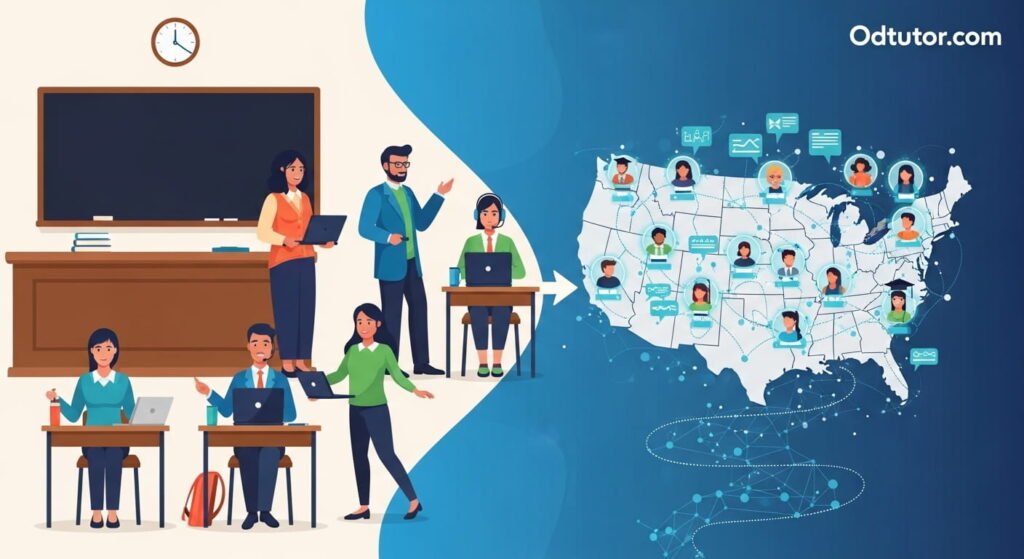
Online teaching offers unmatched flexibility, allowing teachers to reach students from diverse geographical locations without the constraints of physical space. This means that a teacher in one city can educate students across multiple states simultaneously. Additionally, recorded sessions, digital resources, and interactive tools enhance the learning experience, making it more dynamic and accessible.
However, this shift also requires teachers to develop new skills, such as handling digital tools, managing virtual classrooms, and maintaining student engagement through a screen. Understanding this transformation is the first step toward building a successful online teaching career. By embracing the change and adapting teaching strategies accordingly, educators can unlock new opportunities and significantly expand their reach.
Identifying Your Subject Expertise and Niche
Before stepping into online teaching, it is essential to clearly define your subject expertise and identify a specific niche. While many teachers are proficient in multiple subjects, focusing on a specialized area allows you to stand out in a competitive online education market. For example, instead of teaching general mathematics, you could focus on board exam preparation, competitive exams like JEE or NEET, or even specific topics such as calculus or algebra.
Choosing a niche helps you target a specific group of students and tailor your teaching approach to meet their needs. It also makes it easier to market your courses and build a strong reputation within that domain. Students and parents often look for subject experts who can provide focused guidance rather than general instruction.
Additionally, understanding your strengths as a teacher is crucial. Consider your teaching style, the level of students you are most comfortable with, and the type of content you can deliver effectively. By aligning your expertise with market demand, you can create a unique positioning that attracts students from across the country and establishes your credibility as an online educator.
Setting Up the Right Technology and Tools
A strong technological foundation is essential for successful online teaching. Unlike traditional classrooms, where physical presence is the primary medium of communication, online teaching relies heavily on digital tools and platforms. Therefore, investing in the right equipment and software is crucial.
Start with basic requirements such as a reliable laptop or desktop, a high-quality microphone, and a stable internet connection. Clear audio and video quality significantly impact student engagement and comprehension. Additionally, using a digital writing tablet or stylus can enhance your ability to explain concepts, especially for subjects like mathematics and science.
Software tools also play a vital role. Platforms like Zoom, Google Meet, or specialized teaching platforms allow you to conduct live classes, share screens, and interact with students in real time. You can also use presentation tools, digital whiteboards, and learning management systems to organize your content and track student progress.
By setting up a professional and efficient teaching environment, you not only improve the quality of your classes but also build trust among students and parents, which is essential for long-term success.
Creating Engaging and Structured Course Content
Content is the backbone of your online teaching journey. Simply transferring classroom notes to an online format is not enough; your content must be structured, engaging, and easy to understand in a digital environment. Students attending online classes often have shorter attention spans, so your lessons should be well-organized and interactive.
Begin by dividing your syllabus into manageable modules and lessons. Each session should have clear objectives, key concepts, and a logical flow. Incorporate examples, problem-solving techniques, and real-life applications to make the content relatable and interesting.
Visual aids such as diagrams, charts, and presentations can enhance understanding, especially for complex topics. Additionally, incorporating quizzes, assignments, and regular assessments helps reinforce learning and keeps students actively involved.
Consistency is equally important. Maintaining a regular schedule and delivering content in a systematic manner builds discipline among students and ensures better learning outcomes. By focusing on quality and structure, you can create a learning experience that is both effective and enjoyable for students across the country.
Choosing the Right Platform to Teach Online
Selecting the right platform is a critical decision that can significantly impact your online teaching success. There are multiple options available, ranging from independent platforms to established tutoring marketplaces. Each option has its own advantages and limitations.
If you prefer complete control over your teaching process, you can use platforms like Zoom or Google Meet combined with your own website or app. This approach allows you to manage pricing, student interactions, and branding independently. However, it requires additional effort in marketing and student acquisition.
On the other hand, joining online tutoring platforms provides access to an existing student base, making it easier to get started. These platforms often handle payments, scheduling, and technical support, allowing you to focus primarily on teaching.
When choosing a platform, consider factors such as ease of use, scalability, cost, and available features. It is also important to ensure that the platform supports interactive teaching methods and provides a seamless experience for students. A well-chosen platform can simplify your operations and help you reach students nationwide more efficiently.
Building Your Personal Brand as an Educator
In the online education space, your personal brand plays a crucial role in attracting and retaining students. Unlike traditional teaching, where reputation is often limited to a local area, online teaching requires you to establish a strong digital presence.
Start by creating professional profiles on platforms like LinkedIn, YouTube, and educational marketplaces. Share valuable content such as short lessons, tips, and problem-solving techniques to showcase your expertise. Consistency in content creation helps build trust and credibility among potential students.
Your teaching style, communication skills, and ability to connect with students also contribute to your brand. Positive reviews, testimonials, and word-of-mouth recommendations can significantly enhance your reputation.
Additionally, having a personal website or landing page can serve as a central hub for your courses, schedules, and contact information. By investing time in building your personal brand, you can differentiate yourself from competitors and establish a strong presence in the online education market.
Marketing Your Online Classes Effectively
Even the best teachers need effective marketing strategies to reach students nationwide. Online teaching success depends not only on your teaching skills but also on your ability to promote your courses and attract the right audience.
Social media platforms such as Instagram, Facebook, and YouTube are powerful tools for reaching students and parents. Sharing educational content, success stories, and class highlights can generate interest and engagement. Paid advertising can further amplify your reach and target specific demographics.
Search engine optimization (SEO) is another important aspect. Creating blogs, videos, and content around relevant keywords helps your courses appear in search results, increasing visibility. Collaborations with schools, coaching institutes, and educational platforms can also expand your reach.
Additionally, offering free demo classes or trial sessions can help potential students experience your teaching style before committing. By combining organic and paid marketing strategies, you can build a steady flow of students and grow your online teaching business effectively.
Managing Students and Maintaining Engagement
One of the biggest challenges in online teaching is maintaining student engagement and effectively managing a virtual classroom. Unlike physical classrooms, where teachers can monitor students directly, online environments require innovative approaches to keep students attentive and involved.
Interactive teaching methods such as live quizzes, polls, and Q&A sessions can make classes more engaging. Encouraging students to participate actively, ask questions, and solve problems during the session helps maintain their interest.
Regular communication is also essential. Providing feedback, addressing doubts, and maintaining a supportive learning environment fosters trust and motivation among students. Using tools like discussion forums or messaging groups can facilitate continuous interaction outside class hours.
Time management plays a key role as well. Keeping sessions concise, well-paced, and focused prevents fatigue and improves learning outcomes. By prioritizing engagement and effective communication, you can create a positive and productive learning experience for students across different regions.
Monetization Strategies for Online Teaching
Online teaching offers multiple revenue streams, allowing teachers to build a sustainable and scalable income. Understanding different monetization strategies can help you maximize your earning potential.
One common approach is conducting live paid classes, where students pay for individual sessions or monthly subscriptions. This model provides steady income and allows for direct interaction with students. Another option is creating recorded courses that students can access at their convenience, generating passive income over time.
You can also offer personalized coaching, doubt-solving sessions, and premium content for higher fees. Bundling courses, providing discounts, and offering referral incentives can attract more students and increase enrollments.
Additionally, collaborating with educational platforms or launching your own app can further expand your reach and revenue. By diversifying your income streams and continuously improving your offerings, you can build a profitable online teaching career that grows with time.
Overcoming Challenges in Online Teaching
While online teaching offers numerous benefits, it also comes with its own set of challenges. Technical issues, student distractions, and lack of physical interaction can sometimes hinder the learning process. However, these challenges can be effectively managed with the right approach.
Technical preparedness is crucial. Ensuring a stable internet connection, having backup devices, and being familiar with your teaching tools can prevent disruptions. Planning your lessons in advance and having contingency strategies also helps maintain smooth sessions.
Student engagement is another common challenge. Using interactive methods, maintaining eye contact through the camera, and encouraging participation can improve attention and involvement. Building a rapport with students and understanding their needs further enhances the learning experience.
Adaptability is key to overcoming these challenges. By continuously learning, experimenting with new techniques, and seeking feedback, teachers can refine their online teaching methods and deliver high-quality education consistently.
Scaling Your Online Teaching Business Nationwide
Once you establish a strong foundation, the next step is scaling your online teaching efforts to reach a larger audience. Scaling requires strategic planning, efficient systems, and a focus on quality.
Automating administrative tasks such as scheduling, payments, and communication can save time and improve efficiency. Hiring assistants or collaborating with other educators can help manage larger batches of students.
Expanding your course offerings, introducing advanced programs, and targeting different student segments can further increase your reach. Leveraging digital marketing, partnerships, and referral programs also contributes to growth.
Maintaining quality is essential while scaling. Ensuring consistent teaching standards, providing regular feedback, and continuously updating content keeps students satisfied and enhances your reputation.
By focusing on scalability and sustainability, teachers can transform their online teaching efforts into a nationwide educational platform that impacts thousands of students.
Disclaimer
This article is for informational and educational purposes only. The strategies and suggestions provided are based on general industry practices and teaching experience. Individual results may vary depending on skills, effort, market conditions, and platform selection. Readers are advised to conduct their own research and choose tools, platforms, and methods that best suit their specific teaching goals and requirements.