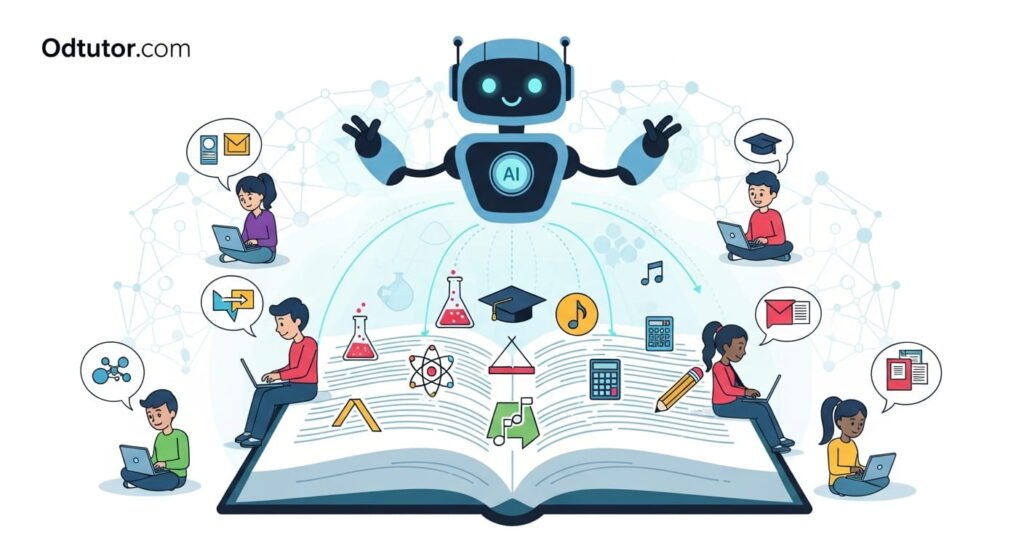
In today’s fast-evolving educational landscape, the integration of artificial intelligence into learning has transformed how students access knowledge and build skills. I have witnessed firsthand how traditional teaching methods, while valuable, often struggle to cater to the diverse learning needs of every student. This is where AI-powered tutoring platforms step in as a revolutionary force, offering personalized, adaptive, and efficient learning experiences. These platforms leverage data-driven insights to understand each student’s strengths, weaknesses, and pace of learning, thereby creating customized pathways that were once unimaginable in conventional classrooms.
AI tutoring systems are not just tools—they are intelligent companions that guide students through their academic journey, providing instant feedback, tailored resources, and continuous support. Whether a student is struggling with complex concepts or aiming to excel beyond the curriculum, these platforms ensure that learning becomes more accessible, engaging, and effective. As education continues to embrace digital transformation, AI-powered tutoring stands at the forefront, reshaping how knowledge is delivered and consumed across the globe.
The Rise of AI in Education
Artificial intelligence has rapidly emerged as a transformative force in education, reshaping traditional teaching and learning methods. Over the past decade, technological advancements have enabled the development of intelligent systems capable of analyzing vast amounts of data and delivering insights that enhance learning outcomes. AI-powered tutoring platforms are a direct result of this evolution, offering solutions that address the limitations of one-size-fits-all education systems.
These platforms use machine learning algorithms to track student performance, identify learning gaps, and recommend targeted interventions. Unlike conventional classrooms where teachers must divide attention among many students, AI systems provide individualized focus, ensuring no learner is left behind. This shift has been particularly beneficial in remote and hybrid learning environments, where personalized attention can be challenging to maintain.
Furthermore, the rise of AI in education has democratized access to quality learning resources. Students from diverse backgrounds can now access high-quality tutoring regardless of geographical or financial constraints. As AI continues to evolve, its role in education is expected to expand further, paving the way for smarter, more inclusive learning ecosystems that cater to the needs of every individual learner.
How AI-Powered Tutoring Platforms Work
AI-powered tutoring platforms operate through a combination of advanced technologies such as machine learning, natural language processing, and data analytics. These systems continuously collect and analyze data from student interactions, including quiz responses, time spent on tasks, and patterns of errors. This data is then used to build a dynamic learner profile that evolves over time.
Based on this profile, the platform adapts the content, difficulty level, and teaching style to suit the individual student. For instance, if a student struggles with a particular concept, the system may provide additional explanations, practice exercises, or alternative learning materials to reinforce understanding. Conversely, if a student demonstrates proficiency, the platform can introduce more advanced topics to keep them challenged and engaged.
Another key feature of these platforms is real-time feedback. Students receive instant corrections and explanations, allowing them to learn from mistakes immediately. This continuous feedback loop accelerates learning and helps students develop a deeper understanding of concepts. By combining data-driven insights with adaptive learning techniques, AI tutoring platforms create a highly personalized and efficient educational experience.
Benefits of Personalized Learning
Personalized learning is one of the most significant advantages offered by AI-powered tutoring platforms. Unlike traditional education systems that follow a fixed curriculum, personalized learning adapts to the unique needs, abilities, and goals of each student. This approach ensures that learners can progress at their own pace, without feeling pressured or left behind.
One of the primary benefits of personalized learning is improved engagement. When students receive content that matches their level of understanding and interests, they are more likely to stay motivated and actively participate in the learning process. This leads to better retention of information and a deeper comprehension of subjects.
Additionally, personalized learning helps build confidence among students. By addressing individual challenges and providing targeted support, AI platforms enable learners to overcome difficulties more effectively. This sense of achievement fosters a positive attitude toward learning and encourages continuous improvement.
Moreover, personalized learning promotes autonomy, allowing students to take control of their educational journey. With AI-powered platforms guiding them, learners can explore topics at their own pace, revisit concepts as needed, and develop critical thinking skills that are essential for long-term success.
Enhancing Student Engagement Through AI
Student engagement is a critical factor in effective learning, and AI-powered tutoring platforms are designed to maximize this engagement through interactive and adaptive experiences. These platforms incorporate elements such as gamification, interactive quizzes, and multimedia content to make learning more enjoyable and immersive.
Gamification, in particular, plays a significant role in capturing students’ attention. By introducing rewards, achievements, and progress tracking, AI platforms create a sense of accomplishment that motivates learners to continue their studies. This approach transforms learning from a passive activity into an active and engaging experience.
Furthermore, AI systems can adapt to different learning styles, whether visual, auditory, or kinesthetic. By presenting information in multiple formats, these platforms ensure that students can understand concepts in ways that suit them best. This flexibility enhances comprehension and reduces frustration.
Real-time interaction is another key aspect of engagement. AI tutors can answer questions instantly, provide explanations, and offer guidance whenever needed. This continuous support keeps students involved and prevents them from feeling isolated, especially in online learning environments.
Bridging Learning Gaps Effectively
One of the most powerful features of AI-powered tutoring platforms is their ability to identify and address learning gaps. Traditional teaching methods often overlook individual weaknesses due to time constraints and large class sizes. In contrast, AI systems continuously monitor student performance and pinpoint areas that require improvement.
When a learning gap is detected, the platform provides targeted interventions to help the student overcome challenges. This may include additional practice exercises, simplified explanations, or alternative teaching approaches. By addressing these gaps promptly, AI platforms prevent students from falling behind and ensure a strong foundation in each subject.
Moreover, bridging learning gaps enhances overall academic performance. Students who receive timely support are more likely to grasp complex concepts and perform better in assessments. This proactive approach reduces the need for remedial classes and fosters a more efficient learning process.
AI-powered tutoring platforms also enable educators to gain insights into student progress, allowing them to provide additional support when needed. This collaboration between AI systems and teachers creates a comprehensive learning environment that benefits students at every stage.
Accessibility and Inclusivity in Education
AI-powered tutoring platforms have significantly improved accessibility and inclusivity in education, making quality learning resources available to a wider audience. These platforms eliminate geographical barriers, allowing students from remote or underserved areas to access the same level of education as those in urban centers.
Inclusivity is further enhanced through features designed to support diverse learners. For example, AI systems can provide language translation, speech-to-text capabilities, and adaptive content for students with disabilities. These features ensure that every learner has an equal opportunity to succeed.
Additionally, AI platforms offer flexible learning schedules, enabling students to study at their convenience. This flexibility is particularly beneficial for working professionals, adult learners, and students with other commitments. By accommodating different lifestyles and needs, AI tutoring platforms create a more inclusive educational environment.
The affordability of many AI-powered solutions also contributes to accessibility. Compared to traditional tutoring services, these platforms often provide cost-effective options, making personalized learning more attainable for a broader population.
Role of Data Analytics in Learning Optimization
Data analytics plays a crucial role in the effectiveness of AI-powered tutoring platforms. By analyzing large volumes of data generated through student interactions, these systems can gain valuable insights into learning patterns and behaviors.
This data-driven approach enables the platform to optimize the learning experience continuously. For instance, analytics can identify which topics are most challenging for students, allowing the system to adjust content and teaching strategies accordingly. This ensures that learning remains efficient and focused.
Moreover, data analytics provides detailed performance reports that help students track their progress over time. These insights allow learners to understand their strengths and areas for improvement, fostering self-awareness and goal-setting.
Educators also benefit from these analytics, as they can monitor student performance and tailor their teaching methods to address specific needs. This collaborative approach enhances the overall effectiveness of education and ensures that students receive the support they require to succeed.
Challenges and Limitations of AI Tutoring
Despite their numerous advantages, AI-powered tutoring platforms are not without challenges and limitations. One of the primary concerns is the lack of human interaction, which plays a vital role in emotional and social development. While AI systems can simulate conversation and provide guidance, they cannot fully replicate the empathy and understanding of a human teacher.
Another challenge is the reliance on technology, which may not be accessible to all students. Issues such as limited internet connectivity, lack of devices, and digital literacy can hinder the adoption of AI tutoring platforms in certain regions. Addressing these barriers is essential to ensure equitable access to education.
Data privacy and security are also significant concerns. AI platforms collect and analyze sensitive student data, raising questions about how this information is stored and used. Ensuring robust data protection measures is crucial to maintaining trust and safeguarding user information.
Additionally, the effectiveness of AI tutoring depends on the quality of algorithms and content. Inaccurate or biased data can lead to suboptimal learning experiences. Continuous improvement and oversight are necessary to address these limitations and enhance the reliability of AI systems.
Future of AI in Personalized Education
The future of AI in personalized education is incredibly promising, with ongoing advancements set to further revolutionize the learning experience. Emerging technologies such as deep learning, augmented reality, and virtual reality are expected to enhance the capabilities of AI-powered tutoring platforms.
In the coming years, AI systems will become even more sophisticated, offering highly immersive and interactive learning environments. Students may be able to explore virtual classrooms, conduct simulations, and engage in real-world scenarios that deepen their understanding of complex concepts.
Moreover, the integration of AI with other educational technologies will create seamless learning ecosystems. These systems will connect various tools and platforms, providing a unified and cohesive learning experience.
As AI continues to evolve, its role in education will expand beyond tutoring to include curriculum design, assessment, and career guidance. This holistic approach will empower students to achieve their full potential and prepare them for the challenges of the future.
Conclusion: Transforming Education with AI
AI-powered tutoring platforms are transforming education by making learning more personalized, accessible, and effective. These systems address the limitations of traditional education and provide innovative solutions that cater to the diverse needs of students.
By leveraging advanced technologies, AI platforms create adaptive learning experiences that enhance engagement, bridge learning gaps, and optimize performance. While challenges remain, ongoing advancements and responsible implementation will continue to improve the effectiveness of these systems.
As we move forward, the integration of AI in education will play a crucial role in shaping the future of learning. By embracing these technologies, educators and students can unlock new opportunities and create a more inclusive and dynamic educational landscape.
Disclaimer
The information provided in this article is for educational and informational purposes only. While AI-powered tutoring platforms offer numerous benefits, they should be used as a supplementary tool alongside traditional teaching methods. Individual learning outcomes may vary based on usage, effort, and external factors. Users are advised to evaluate platforms carefully and ensure data privacy and security before adoption.